Seller's Versus Buyer's Markets, and How to Navigate

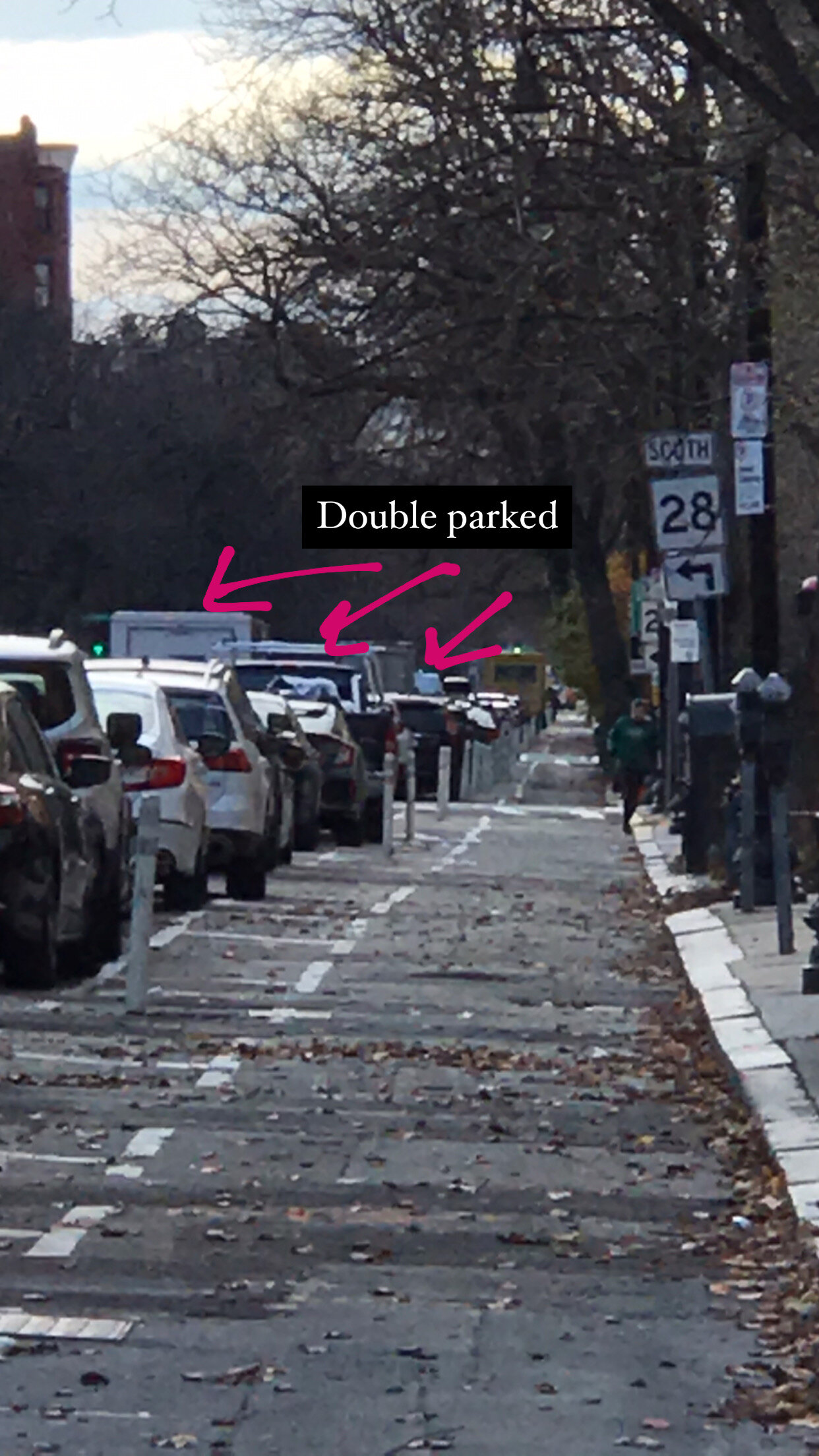
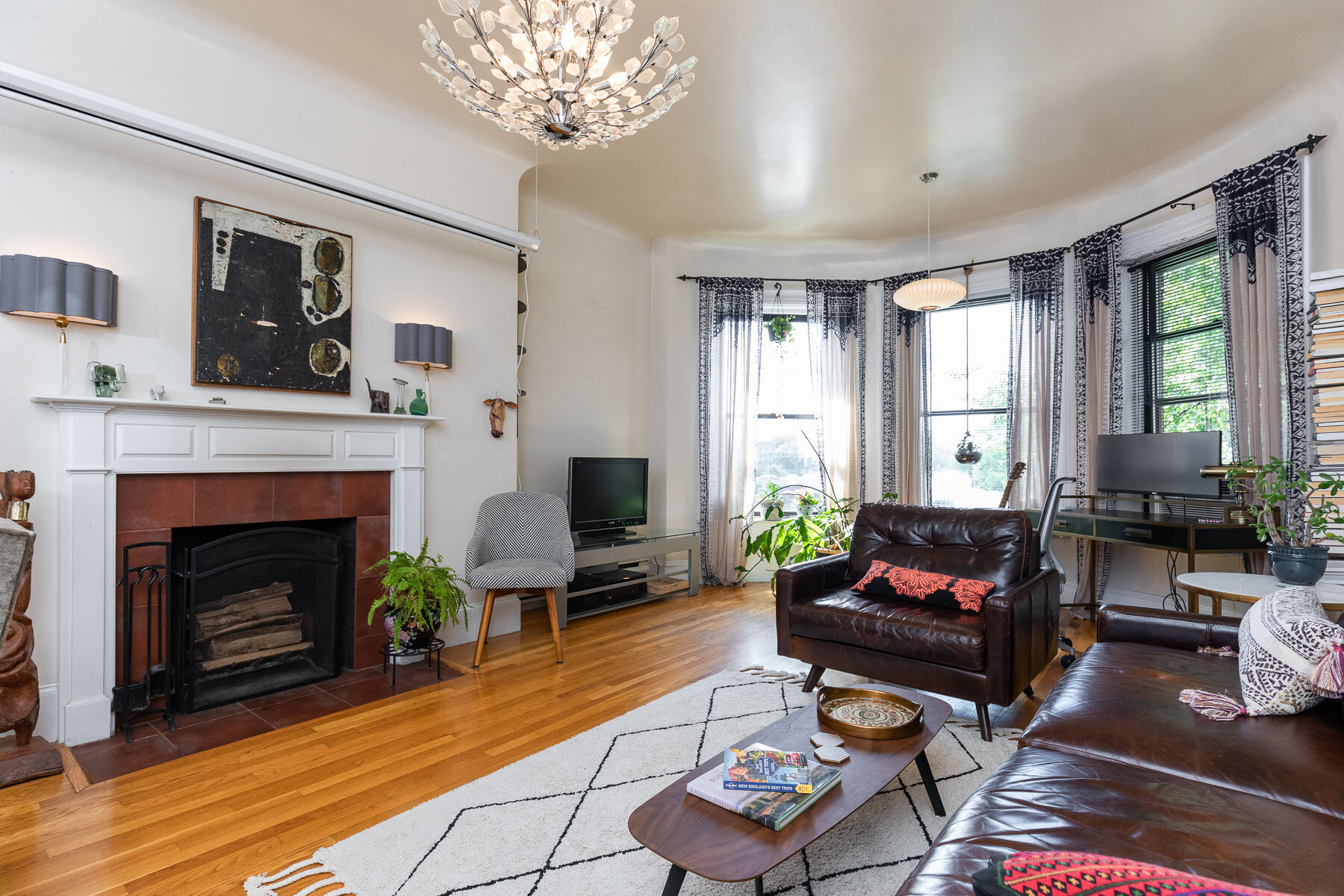
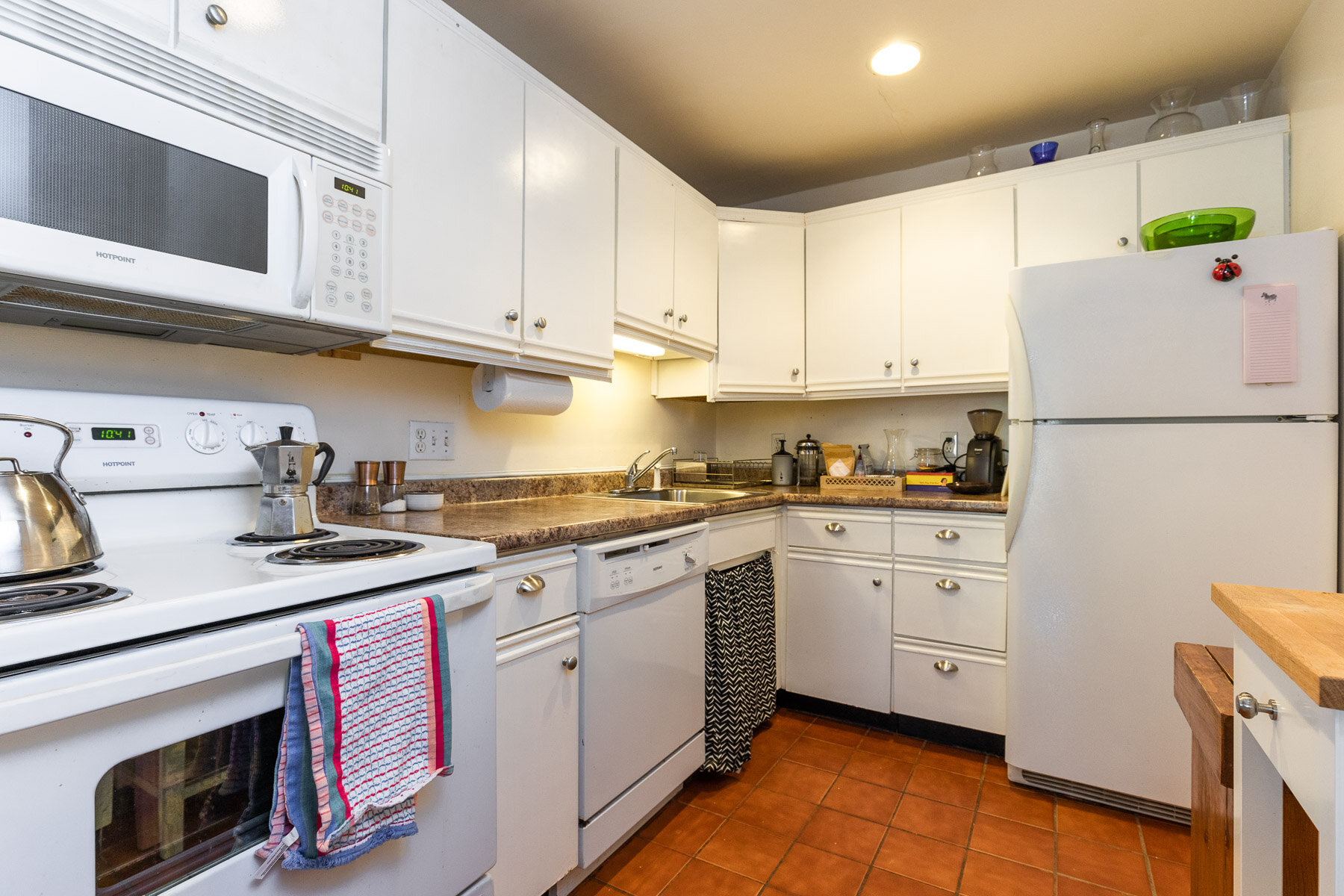
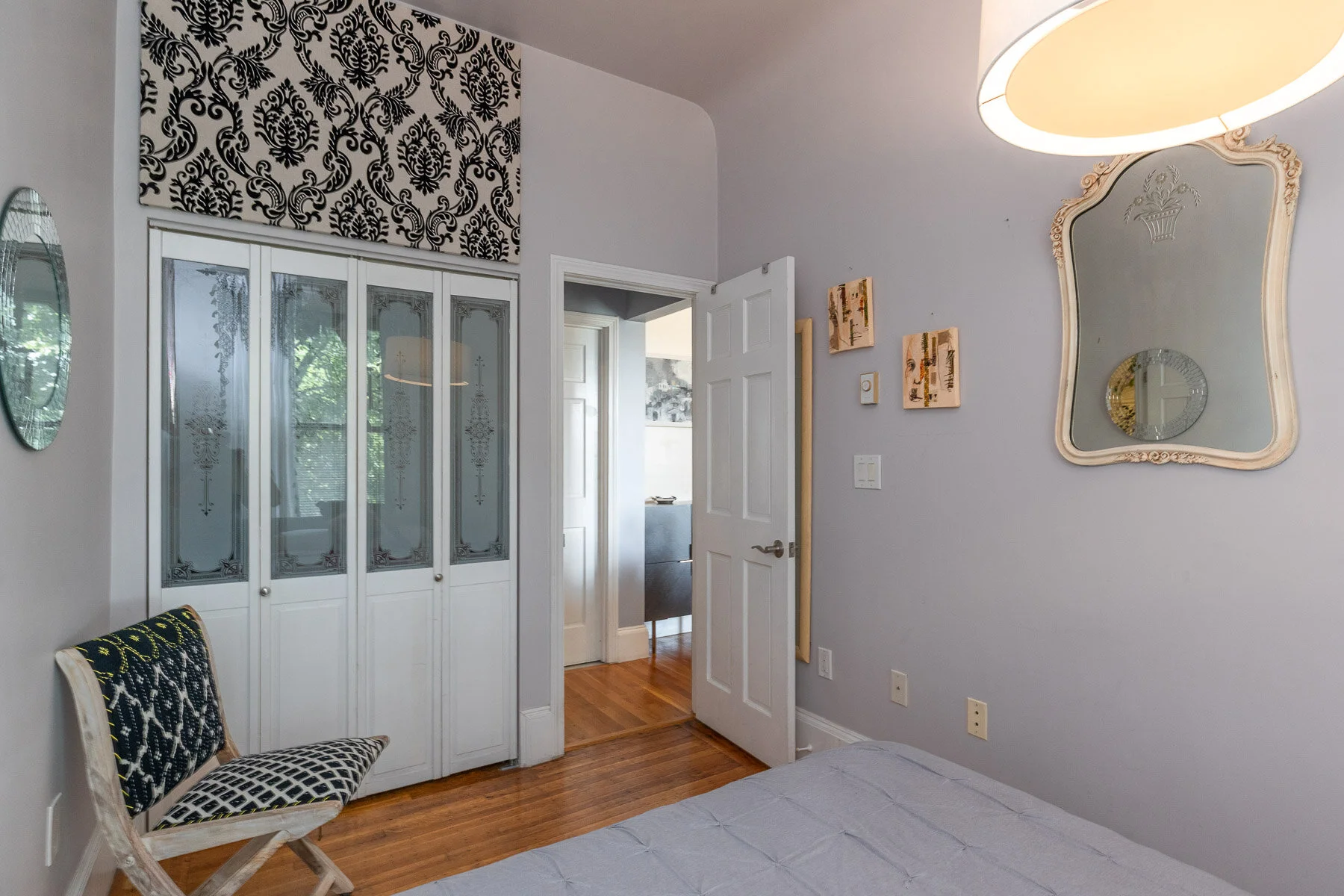
There are 3 types of markets: a buyer’s market, a seller’s market and a neutral market.  In this post, I’ll be highlighting the first two, and what you can do to prepare for each situation as a buyer and a seller.

IMG_1828.jpg

Buyer’s Market

A buyer’s market is a market where the buyer has the advantage.  In a situation like this, there are more sellers than there are buyers.  Another way of saying that is, inventory is high, while there’s a shortage of buyers.  When this happens, prices tend to drop.  If an owner is trying to sell their property in a buyer’s market, they’ll need to be open to negotiating.

Buying in a Buyer’s Market

As you could surmise, this type of market is great if you’re looking to buy property.  You’ve likely got many options and are in a position to negotiate.  You’re also not competing with as many other buyers.  If you’re looking to purchase in a buyer’s market, see as many properties as you can.  When you find the one you want, you’re in a better position to know the market.  You can compare units and prices and are more able to determine a fair price.  Another thing to consider, is how long a property has been on the market.  If a property has been listed significantly longer than similar units, the seller is probably even more open to negotiating and probably realizes they’re asking too much.  On the flip side, generally the first offer a seller gets is the best offer.  If you can see and make an offer on a property right when it comes on the market, you’re in a good position.  If you see and make an offer on a property that’s been on the market for a year, you’re also in a good position.

IMG_1824.jpg

Selling in a Buyer’s Market

Selling in a buyer’s market is a little more tricky.  As a seller, you really needs to make your property stand out.  (Here are some easy tips to increase your home’s value).  Ensure that everything is in working order, and clean.  If you’re working with a good Realtor, they’ll have professional photos taken and a comprehensive marketing plan to get your property in front of the right buyers.  You’ll also need to consider the price.  Asking too much can scare buyers away, but you also don’t want to give your home away.  If there’s a number in your head that you need to get, and it doesn’t necessarily align with the market, be prepared to wait.

Seller’s Market

A seller’s market is defined by demand exceeding supply.  There are more buyers than sellers.  Another way of putting it, is inventory is low.  This drives prices higher and creates a more competitive market, which is usually advantageous to homeowner’s looking to unload.  In a seller’s market, properties generally sell faster and for more money.  Anyone who’s looked at buying a home in Boston knows that it’s been a pretty consistent seller’s market.  Everyone wants to live in Boston!


Buying in a Seller’s Market

Looking to buy in a seller’s market can be frustrating.  It’s important to be prepared.  Don’t even think about looking at a property if you’re not already pre-approved.  It’s also important to know your budget, and what the most you’re willing to spend is.  Having a flexible timeline can make for a more competitive offer.  This is not a time to negotiate for repairs or concessions.  It can also strengthen your offer to forgo contingencies.  Contingencies like inspection, appraisal, financing or home sale are all opportunities for a buyer to back out.  With that under consideration, a cash offer is going to be much stronger than if a buyer requires financing, even if it’s not the highest offer.  Just recently a client of mine put in an offer to buy his first home, but was rejected.  His offer was the highest, but the seller accepted an all cash offer that didn’t require an inspection.  This can be very frustrating, but it’s crucial to keep emotions out of it.  That’s why it’s important to really know the top of your budget, and hold to it.  You don’t want to get into a bidding war in the heat of the moment, only to have regrets later.

IMG_1837.jpg

Selling in a Seller’s Market

This one’s a little easier.  As a seller, you’re in the position of power.  But that doesn’t mean you don’t have to do anything.  It’s still necessary to have the home in good, clean condition.  And just because the seller has the advantage, doesn’t mean you can ask a ridiculous price.  That could scare potential buyers and not even get them through the front door.  Alternatively, some prefer to price their home slightly below market value, in an effort to incite a bidding war, where emotional buyers may pay over market rate.  Once offers are submitted, it’s important to really consider the offers, and your situation.  The offer is about more than the money.  You need to consider the likelihood that the buyer will follow through, and that the time frames work for everyone.

Which Market are You In?

So how do you know when you’re in a buyer or sellers market?  The neighborhood gossip might not be enough.  A pretty easy way to get an idea, is to look at recent sales.  Are homes selling at, below or above asking price?  If below, it’s a good time to be a buyer.  If homes are going for over asking, it’s a good time to sell.  Now this is just a to get an idea, and isn’t really an accurate representation, but it can be helpful.  You can also look at current listings and see if there’s a trend of on-market homes lowering their asking prices.


Another way to tell, is to divide the total of number of homes on the market in the area that you’re looking, by the number of homes sold in the same area in the last month.  This number tells you how fast the homes are flying off the shelf.  If the number is larger than 7, you’re looking at a buyers market, where there are more homes for sale than potential new owners.  If the number is below 5, it’s a seller’s market with a shortage of inventory.

If you or anyone you know is looking to buy or sell, I’m your Realtor!  Please feel free to reach out with any questions.  You can call or text me at 617 528 8461 or email me at willy.charleton@nemoves.com

Healthy Homemade Marshmallows

This was an experimental recipe and did not exactly turn out as expected. I made marshmallows a few months ago, and they were great, however I couldn’t find the recipe again. I did remember they had whipped egg whites. In searching for a recipe this time around, nearly every one had corn syrup, which I wanted to stay away from. This is a relatively simple recipe and the marshmallows came out great. Here we go.

You will need:

2 Tablespoons Gelatin

4 Ounces of Water

1 Pound of Sugar

10 Ounces of Water

1 Tablespoon Maple Syrup

2 Egg Whites (and eventually 1 yolk, but we’ll get to that)

IMG_4254.jpg

Start by combining the gelatin with four ounces of room temperature water. While that blooms, mix the pound of sugar and the 10 ounces of water on the stove. You’ll need a thermometer for this. Bring the mixture up to 240 degrees F and add maple syrup. Remove from heat and let the mixture cool off for a minute or two before adding gelatin. Add the gelatin, stirring to prevent clumping or skin. Leave to cool.

While that cools off, whip egg whites until firm. Set them aside. When the gelatin mixture is cool enough to touch, blend this really well. Once well combined, fold into egg whites.

IMG_4280.jpg

I think this is where something went wrong. I carefully folded, but the gelatin/egg white mix was still clumpy. So I figured what the heck, and threw the whole thing in the mixer real quick. I poured this into a coconut oil greased glass baking dish to cool in the refrigerator. By the time I walked this over to the fridge, it had separated. Great.


I thought, well maybe if I just force it to mix, it’ll stick. So I poured it into the Vitamix and ran it on high for about 30 seconds. I poured it back in the dish and it took ~2 seconds before it began to separate. Gelatin on the bottom and fluffy egg whites on the top.

At this point, I figured I didn’t have anything to lose. I poured it back into the Vitamix but added an egg yolk. Egg yolks are a great source of lecithin, so I thought that would help bind everything together. And I was right!

IMG_4312.jpg

Best Dog Parks in Boston

In this post, I will be highlighting the best dog parks in Boston.  Unfortunately, there aren’t that many.  While dogs are allowed in most green public spaces, these dog parks are all off leash.

Minnie in the Common at her Birthday Party in August.

Minnie in the Common at her Birthday Party in August.

Back Bay

The best dog park in Back Bay is the off leash area of Boston Common.  Depending where you are in Back Bay, it can be a walk, but it’s worth it.  Just take the Comm Ave mall, it’s beautiful.  There’s usually a good turn out, and there’s plenty of space.  The Starbucks right across the street is also something I enjoy.  The off leash area is to the left if you walk in at the corner of Charles and Beacon and walk toward the corner of Tremont and Boylston.

fopp_drs_1.jpg

The South End

Peter’s Park dog park in Washington Square park is one of Minnie’s regular hangouts.  The South End is a hotspot for dogs, so there are usually plenty of people there for her to bother for treats.  And they usually bring their dogs too.  There’s seating in the sun and in the shade.  There’s water.  There’s a separate section for small dogs.  The only downside is that it’s lll gravel.  No grass.

The North End

Minnie’s friend Cydeny used to live in the North End, so we used to meet at Ruff North End for playdates.  It’s got sod, which Minnie much prefers to stones.  Some small obstacles get ignored by Minnie, but they’re there.  The turnout is usually pretty good.

Let me know if I missed any.  Minnie and I are usually in the Common, so look for us there.

How to Analyze a Rental Property

Investing in real estate is a great way to make money.  In fact, over the last 200 years, more than 90% of millionaires were created through investments in real estate.  Like Mark Twain said, they aren’t making it anymore.  There are two ways investing in real estate can make you money.  

The first is through equity.  Real estate is tangible, and shelter is a need.  There will always be demand.  Because of this, real estate is generally protected against inflation.  That’s not to say that some areas lose desirability, but on the whole, prices rise.  

The second way real estate generates money is through cashflow.  If you own a rental property, the point is to rent it out.  Your tenant will pay you whatever the market rate is to occupy the space.  

Generally, investors primarily look at cashflow.  While building equity is great, it usually takes a lot longer.  Especially if you’ve financed the property.  In this post, I’m going to break down how to thoroughly consider cashflow of a potential rental property.

Screen Shot 2020-12-31 at 11.55.43 PM.png

First off, you need to know what the income will be.  That’s going to be how much you collect in rent plus any other potential income, for example, if you have coin-operated laundry in the basement.  You’re also going to need to know your monthly expenses.  If you’re buying a property that’s already used as a rental, this information should be easy to find.  If not, your Realtor (me) can help you determine the expenses.

You’ll need to know how much your monthly mortgage payment will be.  This is going to be determined by how much you’re putting down, interest rate and term of the loan.  You’ll also need to know how much your taxes will be, if there’s an home owner’s association and how much the monthly fee is.  Insurance is something you’re going to want to have.  Maintenance and capital expenses are also things you’ll need to plan for.  Maintenance is going to be unexpected repairs, like fixing a broken dishwasher.  Capital expnses are going to be major projects that you’re saving for, like a new roof, or if you know in the next 12 years you’ll need a new oil burner.  Generally, plan to put away 10% of the rent for maintenance and capital expenses each.  If the property under consideration has multiple units, you may need to factor utilities.  Tenants are only required to pay for utilities that are individually metered.  It’s not uncommon for water or heat to not be individually metered.  Also consider that your property may not get rented immediately.

Now that you know the rent, and the expenses, add them all up.  Remember, the expenses are negative numbers, and the rent is positive.  The result is how much cash is left over every month.

Screen Shot 2020-12-31 at 11.56.15 PM.png


While you need to know the cashflow before moving forward with an income property, there are other metrics to consider.  Knowing your expenses and rent, we can also calculate the cash-on-cash return on investment and the Capitalization Rate (cap rate).


The cash on cash ROI is your annual return divided by your initial cost.  Your initial cost is going to be down payment, closing costs and any other expenses required before you can start collecting rent from your tenant.  Essentially, it’s what percentage of your initial cost your recouping yearly. 

Screen Shot 2020-12-31 at 11.56.29 PM.png

The capitalization rate can be helpful when you don’t have all the information.  While you’ll need to have an idea of the cashflow, you don’t need to know your monthly mortgage payment.  For cap rate, take the cashflow without mortgage payment, and divide that by your initial investment.  It’s very similar to cash-on-cash ROI.  For this, your mortgage payment isn’t important because you’re building equity.  You’re paying the mortgage, but get more ownership of the property in return.

If you know even less information, but want to get an idea if a property is profitable, you can divide the total cost of the property by the rent.  This can be helpful when you’re looking at a number of properties and want to compare them.  This is called the gross rent multiplier, and the lower this number is the better.  If you’re comparing two properties, and one has a multiplier of 250 and the other 100, the property with at 100 will probably cashflow better.

Screen Shot 2020-12-31 at 11.56.53 PM.png

Real estate, when done correctly, can be a great investment.  It’s a good way to protect your principal from inflation, while also generating cash flow.  When determining these metrics, over estimate your expenses.  Having a little extra money is a nice surprise, while finding out you have negative cashflow is not.

If you’re ready to buy an investment property, and therefore, become a millionaire, give me a call!  I’d be happy to help get you set up.  Feel free to reach out with any questions or if you’d like the spreadsheet.  You can call or text me at 617 528 8461 or email me at willy.charleton@nemoves.com.

A Balanced 3 Timepiece Collection

Watches for men are like purses for women.  I know some men that would argue with me, but they’re wrong.  Let me prove it to you,  They both serve a purpose.  The original watch was made so the wearer could tell time.  The original purse was worn so the wearer could carry stuff.  And they’ve both turned into primarily overpriced status symbols. And ways for the wearer to show their personality.  

Now that that’s that, I love watches.  So many different watches built with so many different intentions over so many years, it’s crazy.  Literally crazy.

Like me, there are probably a multitude of timepieces that have caught your eye over the years.  But you can’t have them all.  Well, maybe not all at once.  For most, a 3 watch collection is feasible.  A dress watch, an everyday watch, and then a complication.


Here is a three piece collection that I’ve put together.  All of these watches are about $10,000.


#1. Breguet Classic 5157 with Roman Numerals

This is the showcase piece.  The real family heirloom.  And you’re going to say “but that watch is more than $10,000,” and you’d be right.  But not if you get it used.  The Breguet Classique 5157 starts just under $20,000 new, but I’ve seen some very nice used examples for as low as $9000.  This is a classic, timeless watch that could try easily become a family heirloom.  The attention detail and history of the company alone makes this watch stand out.  

Screen Shot 2020-12-31 at 12.07.19 AM.png

#2. Grand Seiko Heritage Collection SLGH003

Grand Seiko doesn’t get the credit it deserves.  This is a soon to be classic timepiece.  It’s got heritage, and quality but is still a little under the radar.  This watch is a high beat, which means that it oscillates faster than 28,800 A/h.  In this case, 30,000 A/h.  A faster beating watch can be read with better precision.  That is, the hand “sweeps” more.  It also has a power reserve of 80 hours, which is twice as long as most.  That means you could leave it for a long weekend and come home and it would still be ticking really fast.  Personally, I love the deep blue dial.  This watch new is about $9700.

Screen Shot 2020-12-31 at 12.06.15 AM.png

#3. Jaeger LeCoultre Polaris Chronograph

If you’re going to collect watches, you have to get a chronograph.  And as far as chronographs go, this is a great option.  It’s a tribute to a classic, but with modern features.  The Polaris Chronograph features a tachymeter, for tracking speeds and a stop watch with a minute dial up to 30 and an hour dial up to 12.  It’s a sturdy, sporty watch.  I say that as someone who’s only seen it through glass. This will run about $10,700.

Screen Shot 2020-12-31 at 12.24.42 AM.png

That is one example of a balanced three timepiece collection.  And no one said your collection has to be static either.  Here today, gone tomorrow with something new on the way.  What do you think?

4 Noninvasive Ways to Increase Your Home's Value

Ultimately, you want to show prospective buyers that your home is valuable, and you do that by showing that you treat your home with respect.  If you hate your home and it shows, why do you think someone else would want to pay top dollar for it?  Even if you do hate it, make it appear that you love it.  Here are a few simple, noninvasive things you can do to increase the value of your home.

IMG_0039.jpg

Declutter

I don’t think you need to remove everything off every surface and have everything in it’s perfect place.  If you have things that you can put away, put them away.  If you’ve saved up some old magazines that you never got around to looking through again, now might be a good time to ditch them.

Clean

Now that the excess stuff is gone, just tidy up.  Get a magic eraser and do a quick walk through.  Maybe go through and polish all the faucets and door knobs.  It doesn’t have to be a deep clean, but more than the weekly routine.  This is especially important if you have pets or children.  A child’s toy chest filled with toys is fine.  Headless barbie on the floor and crayon on the wall is not.

Highlight Features

If your home has great light, make sure the windows are clean!  You’d think that would be an obvious first step, but let me tell you, it doesn’t always get done.  Let’s say your home has great storage.  Make it look good; organize the closets.  You want to show prospective buyers how well the home can work.


Don’t Forget the Exterior

If your home is a single family, you don’t have to go crazy landscaping, but you can.  At least make sure nothing is overgrown, lawn is mowed, leaves are raked.  If you live in a condo, you’ll have a little less control, but it doesn’t hurt to ask the association to freshen things up if it looks like it needs it.  On your end, it’s not going to hurt to put flowers in the lobby or common area outside your condo’s entrance.  Your Realtor should actually do that for you.  I would.

IMG_1214.jpg

So, there you have it.  Those are some of the easiest and most inexpensive ways to immediately increase the value of your home.  You want your home to tell a story, and you want it to be a good one.  It’s easier for a buyer to imagine themselves loving living in your home, if they think you do.

If you’re looking to sell your home, I’d be happy to buy flowers for your lobby!  Please feel free to call or text me at 617 528 8461, or email me at willy.charleton@nemoves.com.


Maple Shortbread

This Thanksgiving, I wanted to share one of my favorite winter snacks, shortbread. It’s really easy to make and takes almost no time. And the product is to die for, but I have a thing for maple.

Here’s the recipe. This was my November mailer. If you’d like to get on the list, sign up for my email newsletter.

Willy's Recipe Card for November.jpg

What to Consider When Pricing Your Home

Home pricing can be a touchy subject. Every seller wants top dollar for their home, and every buyer wants the best deal they can get.  

As a Realtor, it’s important to price a home correcrtly.  If the price is too low, the sellers might get upset, or even worse, lose out on potential profit. If the price is too high, the home could sit on the market with little to no interest.  When a home sits on the market, it becomes less and less desirable.  It’s assumed there’s a major defect if it appears that no one else wants the home either. When pricing home, the four major elements to consider are: location, comps, condition and upgrades.  

The home’s location is generally one of the most important factors.  The desirability is going to be largely dependent on the schools, crime statistics and economics of the town.  Within the area, things like walkability, proximity to a town center and being on a corner will also play a role.

Comparing your home to recent sales in the neighborhood is a great way to help estimate the value.  When looking at comps, the closer to the home in question, the better.  In cities like Boston, it’s pretty easy because often times Realtors can compare transactions within a single building.  Aside from looking at homes in close proximity, it’s also important to consider homes with similar square footage, construction date, and style.   While it’s important to look at recently closed transactions, it’s also a good idea to look at homes currently on the market in your area.  That’s your competition.

The condition of the home is pretty straightforward.  A home that is in great condition is going to be more valuable than a home that needs work.  I recommend that my sellers have a home inspector come through before listing the home, so they can get an idea of anything that should be taken care of.  As a seller, you don’t want to come up on your buyer’s inspection only to find out your HVAC needs to be replaced.  

The last factor we’re going to look at is how updated the property is.  Today, most buyers are looking for new, clean and sleek design with a certain level of amenities.  Updates and upgrades are going to include things like, a brand new kitchen with all the appliances, a pool, wine cellar and things like that.  Essentially, things that make your home stand apart from others on the market, whether that be its design or its features.

If you’d like to get an idea of how much your home is worth, email me!  I can be reached at willy.charleton@nemoves.com or 617 528 8461.  

My Disclosure on Disclosures

If you’re going to work with me to buy or sell a home, there are a few forms that I’ll ask you to sign.  Buying or selling a home can be a stressful process, and no one likes signing documents they don’t understand.  Here I’m going to breakdown all of the mandatory disclosures, so you can feel comfortable knowing what you’re signing.  Keep in mind, these are all disclosures, and not contracts.

IMG_3596.JPG

The first is the Massachusetts Mandatory Real Estate Licensee-Consumer Relationship Disclosure.  Technically, this is to be signed at the first in-person discussion of a specific property.  That’s not always doable, like if I’m at a party and someone starts asking me about homes on the market.  I put this in front of clients at our first official meeting.  Anyway, this disclosure outlines 3 basic points.  

  1. An licensed real estate agent can represent a buyer, a seller or act as a facilitator.

  2. Regardless of role, the licensed agent must act lawfully and honestly

  3. Representation by a licensed agent does not relieve consumers of their responsibility to protect their own interests, and need to seek the appropriate professionals for assistance outside the scope of a licensed agent.

Once the consumer has read and understands the disclosure, it’s checked what role the agent will take, and then everybody signs acknowledging the sitatuation.

The next up is the Designated Agency Consent.  This outlines specifically whether I’m working as a buyers agent, or a sellers agent.  It goes a little further to explain that I have a fiduciary duty to the consumer, while other agents in my office do not and could potentially represent the other side of the transaction.  Long story short, this gives me consent represent you in a real estate transaction.  This doesn’t give me the exclusive right to represent you.


IMG_8125.JPG

From here, it could go either way.  If you’re a buyer, I’ll ask you to sign the Exclusive Right to Represent Buyer Agreement, or if you’re a seller, the Exclusive Listing Agreement.  Both of these documents outline further the expectations from each party and are binding contracts. A buyer’s agreement outlines the term of the agreement, services to be expect, the scope of CBRB representation, compensation and buyer’s obligations. Similarly, the listing agreement outlines the term, the initial listing price, the scope of CBRB representation, exclusive rights of CBRB, seller’s obligations, compensation and seller’s representations and acknowledgements.  I could go into more detail, but this post is dedicated to disclosures.

The last disclosure is the Affiliated Business Arrangement Disclosure Statement. Coldwell Banker is a subsidiary of Realogy Holdings, which owns and operates a variety of related businesses.  This disclosure lets the consumer know what companies are affiliated with Coldwell Banker, their services and their prices.

If you have any questions about this post, would like to review these disclosures or have any questions at all related to real estate, let me know! You can email me at willy.charleton@nemoves.com or text/call at 617 528 8461.

Baked Spiced Apples

I make this all year, but it’s really a fall dish. Spiced Baked Apples. So simple, and so versatile. It’s only 4 or 5 ingredients, and can be served with something savory or as a dessert. It’s also really easy to make. Let me get down to it.

IMG_1808.JPG

Supplies:

4-5 Apples, peeled, cored and sliced

4-5 Tablespoons of Sugar

1 Tablespoon of Pumpkin Pie Spice

1 Pinch of Salt

1 Tablespoon of Coconut Oil or Clarified Butter

IMG_8388.JPG

First, preheat oven to 350 degrees F

Then, peel the apples, cut out the core and slice them into eighths.

In a bowl, combine sugar, pumpkin spice and salt. Once mixed, add coconut oil. It’s easier if you melt the coconut oil in advance, which I didn’t do.

Toss in apples and mix thoroughly until they’re entirely coated.

Pour into baking dish and spread evenly. Add a couple tablespoons of water.

After 25 minutes, pull them out and mix them up before placing them back in the oven for another 15 minutes.

The Optional Extra is to sprinkle in a teaspoon of gelatin and mix in the hot apples. It’ll make the whole thing gooey, but also makes cleanup for difficult.

Now that you’ve got the finished product, it’s time to decide how to serve it. My two favorite ways are with Parmigianno Regianno, or with vanilla ice cream.

IMG_2472.JPG

The History of Back Bay's 103 Beacon Street

In case you didn’t know, the first block of Beacon in Back Bay (100-147, between Arlington and Berkeley) is my favorite.  Well actually, the A-B blocks of any street in Back Bay are my favorite blocks.  But for this post, we’re sticking to Beacon.  First off, it’s one of the oldest blocks.  It’s where the fill-in began, and slowly worked its way to Kenmore.

This section of Beacon is particularly nice for many reasons.  Right around the corner is the Public Garden.  Just cross the street, and you’re at the Arthur Fiedler bridge leading you to the Esplanade.  Walk fewer than 1,000 feet south and you’re at the Commonwealth Avenue Mall.  The accessibility to green space alone should be enough to make you want to live here!

Like many homes in the Back Bay, 103 Beacon was originally constructed as a single family home.  The home was commissioned by Samuel Tilton and his wife Helen Tilton around 1862.  The Tiltons only lived in the home for 5 or so years before moving out.

They retained ownership and leased the home to Theron J. Dale and his brother, who were textile manufacturers and dry goods dealers.  They lived in 103 Beacon unto 1872, when the Tiltons move back in to the home.  However, the Tiltons shared the home with Joseph Lover, his wife Mary and his brother Charles.  That seems like an odd arrangement, but wasn’t too out of the ordinary for the time.  

beac-101-107-ca-1867-hawes-athenaeum-a.jpg

In 1877, the Tiltons moved to Paris, transferring the property to Joseph Churchill as trustee for his wife, Helen.  Joseph managed the property in their absence, leasing it to a variety of people.  It seems he rented out as a seasonal home, later turning into more of a boarding house.  The first tenants were Gilman Bradford Dubois, his wife, Ellen and their Son Loren who lived at 103 during the winter of 1876-77.

For the next winter, 1877-78, Percival Lowell Everett and his three children moved in.  Percival had worked in international trade, and founded the Third National Bank of Boston.  Interesting side note, the Third National Bank of Boston was founded in 1864, just after the National Banking Act of 1863.  At the time, banks were chartered and The Third National Bank was charter number 359.  Between 1864 and 1901, it printed $5,272,840 dollars, some of which you can still find today.  Percival and his children lived in the home until 1880.

Subsequently, the home was rented to Henry Martyn Clarke and his wife, Jane, who leased it until 1886.  They also maintained homes in Belmont and Pepperell.  The Tilton’s returned to 103 Beacon in 1886-87 and lived there until 1893 when Mary Tappen leased the property.

In 1900, the home is rented out to Ellen Estes.  Interestingly enough, Helen Tilton moved back into the home at the same time, where she died the following year.  The Tilton’s daughter Grace  and her husband inherited the home.  They did not live there, and it was run as a boarding house.

One notable boarder was Samuel Hooper Hooper, and not just because of his name.  Samuel Hooper Hooper was a society man, and eventually founded The Tennis and Racquet Club at 925 Boylston St.  (Are you a member?  Maybe I’ll see you there!) He actually moved into the T&R in 1905.


In 1916, Grace gave the property to her daughter, Gertrude and her husband.  They eventually moved into the home in 1918-19.  After a year or so, they moved to New York City and the property became a boarding house again.

Gertrude sold the property in 1925 to a couple from Chestnut street, who very soon after divorced and sold the property to Marie Elise Bordeau.  Marie owned several properties that operated as lodging houses, including 495-497 Beacon and 119 Beacon.

The home was sold in 1947 to Edith Kurciviez, who continued to use the property as a lodging house.  She was given permission in 1951 to legally designate the property as a lodging home.


103 Beacon switched hands two more times, until 1977 when Keevin Geller and John Wise purchased the building and turned it into seven condominiums.  In 1982, the owner of the top floor unit raised the roof by two feet.  In 1986-87, units six and seven were combined.

And that brings us to where we are today.  If those walls could talk!  Thank you to BackBayHouses.org for being such a great resource, and to the Boston Athenaeum for preserving neighborhood photos for out continued enjoyment!

If you have any questions about real estate or any article on my site, reach out!  You can call or text me at 617 528 8461, or email me at willy.charleton@nemoves.com.

Six Steps To Know When Buying Your First Home

Willy’s Step by Step Guide to Buying a Home

1. Find a Realtor

I’m here, so we’re all set on this.

2.  Get pre-approved

This is a letter from a lender saying that you’re been pre-qualified for a mortgage.  This shows buyers that your serious and can afford to purchase a home.  You can shop around, and you’re not required to take out a mortgage from the same lender that pre-approved you.

2.  Put in an Offer

Now that you’ve found a house you love and want to call home, it’s time to put in an offer.  Work with your Realtor to determine what you think is a fair price that you’re willing to pay for the home.  While you never want to over pay, keep in mind this is first your home, and second an investment.  The offer outlines what you’re willing to pay, what you’d like included or excluded and a timeline for transfer of the property.

3.  Home Inspection

In the offer, you’ll indicate whether or not your buying the home is contingent on a satisfactory inspection. It’ll be up to you to hire and schedule the inspection. Your Realtor can give you a list of local inspectors but cannot make any recommendations. If the inspection isn’t what you were expecting, you can either re-neogtiate your offer or back out completely. In rare cases, buyers will forgo the inspection.  It can be a pretty big risk, but is enticing to sellers.

4.  Purchase and Sale Agreement

The purchase and sale agreement, P&S for short, outlines the terms of the sale after an offer has been accepted.  The P&S lays out the final agreed upon price, closing date, legal description of the property and all the necessary details for purchasing a home or property.  In Massachusetts, the Purchase and Sale Agreement needs to be reviewed by a lawyer before signing.  At signing, earnest money is due.  This is a good faith deposit, usually 5-15% of the total sale price of the home.

5.  Commitment Date

The commitment date is the deadline for which the buyer has agreed to secure financing.  This is not applicable for cash offers.  Generally, you give yourself 30 days from the the signing of the purchase and sale to acquire financing.  Your lender will hire a lawyer to provide a title search and potentially have the home appraised.

6.  Closing

Now that you’ve got a mortgage secured, you can close!  This is the big day you’ve been waiting for.  You hand over the rest of the money in exchange for the deed.  The property is officially yours!  Just like the P&S, a lawyer needs to put together the documents.  In Massachusetts, only a lawyer can write a contract.  Your lawyer will be present with you at the closing and notarize the contract.

If you have any questions about this article, or real estate in general, let me know! You can email me at willy.charleton@nemoves.com or call/text me at 617 528 8461.

Should Boston Ditch the Broker Fee?

Maybe you haven’t heard, but it’s been big news in the real estate community.  New York City enacted a new regulation on rental broker fees.  Before I break it down, let me tell you how this generally works.  

The way it’s worked for years, is that when you use an agent to rent an apartment, they’re compensated by receiving a broker fee.  This can be paid by the tenant, the landlord or a combination.  The fee Is usually a standard in each area. Technically, it’s not a standard because that would be an anti-trust violation. But in Boston, I’ve never heard of anyone asking for anything other than one months rent.  In New York City, it’s 15% of the lease term.  Renting an apartment can require between zero and two agents.  A landlord can list a property for rent on his or her own, or with the help of an agent.  A tenant can search for an apartment on his own, or with the help of an agent.  As long as an agent is involved, the fee is the same.  Either one agent gets the keep the whole thing, or he has to share it with the other agent.

In competitive markets, like Boston and New York, landlords know they don’t have to pay the fee.  There’s such a high demand for rentals, that tenants are willing to pay the fee.  There’s no lack of tenants, rental prices aren’t dropping, landlords aren’t all of a sudden paying the fee.  People like to bitch, but they’re still paying the fee.  The market doesn’t lie.

But for some reason, New York City decided to enact a regulation, banning listing agents from collecting a fee from incoming tenants.  Tenants can only pay the broker fee if they hire a real estate agent directly to help them find an apartment.  Well, sort of.  Shortly after enacting this new regulation, it was put on hold.  I’m talking within days of it being announced.

While generally I’m not a fan of government intervention, especially in markets, this is something I can get behind.  In my mind, this could only benefit real estate agents and landlords.  

The fee isn’t going away.  Realtors are still going to get paid.  The only thing that would change, is who cuts the check.  Right now it’s the incoming tenants.  If a regulation like this goes into effect in Boston, landlords are going to pay the realtor instead.  And they’ll recoup that money through the rent.  Long story short, rents will go up 8.3% overnight.  Tenants will end up paying for the fee for the 12 month duration of their lease.

Now it comes time to renew.  No landlord is going to lower the rent.  So tenants are going to essentially be paying the fee again every year.  The only difference is, now the landlord gets to keep it because there wasn’t a Realtor involved.

On the other hand, tenants might say “this was nice but I might as well move since I don’t have to come up with four month’s rent to secure a new apartment.”  More people moving is going to benefit real estate agents.

“But if landlords have to pay the fee, they’ll do it themselves,” you might argue.  Landlords could rent apartments themselves right now for “no fee” which would make them more competitive in the market, but they don’t.  In my experience, there are different types of landlords.  

There are people who make a living doing this and have tens (if not hundreds) of properties.  They don’t have the time to advertise, show, screen and maintain all of their properties.  They need a professional to do it for them.  They may not even live in the area.  

Then there are corporate landlords, like Avalon and Greystar.  These don’t charge a fee, and in fact often times pay an agent to bring them a client.  These are generally high end, top dollar luxury apartments.  These tenants are indifferent about the fee anyway.  Essentially, the fee is already factored into their rent.

In Boston especially, there are a lot of foreign investors.  Whether they have one or 12 properties, they don’t know anything about the market and are just using property as an investment.  You wouldn’t believe how many foreign investors I’ve worked with that have never even seen their property in person.  Try coordinating through WeChat with someone whose first language isn’t English and who’s 12 hours ahead.  These types of landlords in particular are just trying to park cash.  They’re not trying to spend any more money than they have to.  As long as they’re getting any kind of positive cash flow, they’re happy.

You’ve got the bachelor who owns his place.  He meets a nice girl, and she’s got a nicer condo so he moves in.  He just bought it a few years ago, so it doesn’t make sense to sell.  Or he’s not sure if the relationship will work out and needs something to fall back on.  He never intended to be a landlord, has a full time job and just wants to get the place rented.  He’s not going to do it himself.

Some landlords do rent out their own places.  And a regulation like this wouldn’t affect them.  They’re already listing their places on Craigslist with no fee.

All but the last type, are going to pay a Realtor.  Just like any other expense, it will be factored in when determining the rent.

It’s been my experience, that a majority of people moving to a competitive rental market, never having rented before, hate real estate agents.  I’ve heard us called “parasites,” “scum” and “useless.”  But here we are, gainfully employed.

What I could also see potentially happening, is that agents no longer split the fee.  If you’re a tenant searching for a new apartment with your own agent, you’re going to pay them the fee.  If you’re a landlord listing an apartment for rent with an agent, you’re going to pay the fee.  I could very easily see each agent collecting and keeping a full fee.

“But if landlords do actually start renting on their own, the agents will charge less,” you might think.  I doubt it.  In Boston, the fee isn’t really that much in the grand scheme of things.

You need to do a lot of deals around here to actually make money doing rentals and I don't know anyone that would consistently work for less than a month's rent, or a broker that would continue to work with an agent working for less. If you rent a place with an agent for $2000, the agent's going to take home between $1000 and $1200 before taxes and any expenses occurred. Let's say you want to make $40,000/year. That's going to be 40 rentals with an average of $2000/mo rent. Then take off 22% for taxes. So if you're doing 3.3 rentals a month for a year, you're ending up with $31,200 after taxes. Not including advertising, union, MLS or any other expenses.

Now to get those 3.3 clients, you’re going to need to reach at least 200 people, and that’s if you’re good.  Probably more.  And generating leads isn’t something you get paid for.  You get paid for closing the deal and signing the lease.

Long story short, if tenants think they’re “winning” by getting out of paying the fee directly and agents and landlords make more money, I see it as a win-win.  Tenants are happy and feel like they’re getting a better deal, agents are happy because they’re seen in a more favorable light, and landlords make more money from renewing tenants.

In the meantime, I’d be happy to collect a broker fee from anyone! If you’re looking for a rental in Boston, I’d be happy to help. I can even help you negotiate so that the landlord pays the fee! Shoot me a text or email, or give me a call. 617 528 8461, willy.charleton@nemoves.com .